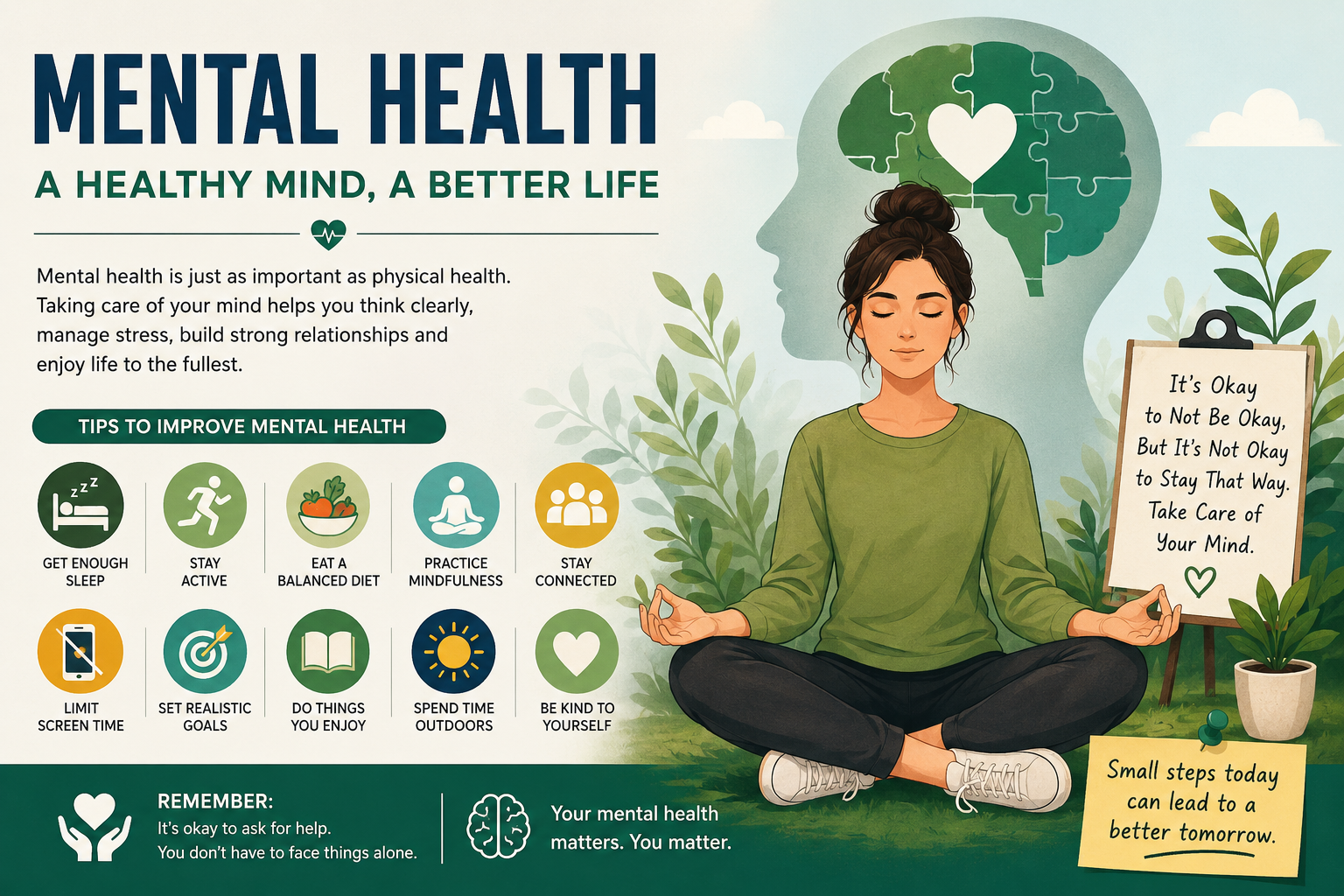
Mental health is just as important as physical health. It influences how we think, feel, behave, and interact with others. Good health helps people cope with stress, build healthy relationships, make informed decisions, and enjoy life. Whether you’re a student, employee, business owner, or retiree, maintaining strong mental well-being can improve every aspect of your daily routine.
In today’s fast-paced world, many people face pressure from work, studies, finances, or personal relationships. While occasional stress is normal, ongoing emotional struggles can affect overall health if left unaddressed. Fortunately, there are many practical ways to protect and strengthen mental wellness
What Is Mental Health?
Mental health refers to emotional, psychological, and social well-being. It affects how individuals handle life’s challenges, communicate with others, and make decisions.
Having good mental health doesn’t mean feeling happy all the time. Everyone experiences sadness, disappointment, or stress occasionally. Instead, it means having the ability to recover from setbacks, manage emotions effectively, and continue functioning in daily life.
Why Mental Health Is Important
A healthy mind supports every part of life. When mental well-being is strong, people often experience:
- Better concentration and productivity
- Healthier relationships
- Improved sleep quality
- Stronger confidence
- Better physical health
- Increased resilience during difficult situations
Ignoring mental health can lead to emotional exhaustion, poor decision-making, and physical health problems over time.
Common Mental Health Challenges
Millions of people experience mental health difficulties at different stages of life. Some common conditions include:
Anxiety
Anxiety involves excessive worry, nervousness, or fear that may interfere with daily activities.
Depression
Depression is more than temporary sadness. It may involve persistent low mood, loss of interest, fatigue, and difficulty enjoying everyday life.
Stress
Stress is a natural response to challenges, but long-term stress can negatively affect both the body and mind.
Burnout
Burnout often results from prolonged work-related pressure, causing emotional exhaustion, reduced motivation, and decreased performance.
Factors That Affect Mental Health
Several factors influence emotional well-being, including:
- Genetics
- Physical health
- Family environment
- Financial stability
- Work-life balance
- Social connections
- Major life changes
- Sleep quality
- Nutrition
- Exercise habits
Usually, mental health is shaped by a combination of these factors rather than one single cause.
Practical Ways to Improve Mental Health
Improving health doesn’t always require major lifestyle changes. Small, consistent habits can make a significant difference.
Get Enough Sleep
Adults generally benefit from seven to nine hours of quality sleep each night. Poor sleep often contributes to mood changes, anxiety, and reduced concentration.
Stay Physically Active
Regular exercise releases chemicals that naturally improve mood and reduce stress. Even a daily 30-minute walk can have positive effects.
Eat a Balanced Diet
Nutritious foods support brain function. Fruits, vegetables, whole grains, lean proteins, and healthy fats help maintain energy and emotional stability.
Practice Mindfulness
Meditation, deep breathing, or simply spending a few quiet minutes each day can reduce stress and improve emotional awareness.
Stay Connected
Talking with trusted family members or friends provides emotional support during challenging times. Strong relationships play an important role in maintaining mental well-being.
Limit Screen Time
Constant exposure to social media and digital devices may increase stress or unhealthy comparisons. Taking regular breaks from screens can improve focus and emotional balance.
Set Realistic Goals
Breaking large tasks into smaller steps helps reduce feelings of being overwhelmed while creating a sense of accomplishment.
Make Time for Activities You Enjoy
Reading, gardening, painting, listening to music, or spending time outdoors can improve mood and reduce stress.
Warning Signs That Should Not Be Ignored
Everyone experiences emotional ups and downs, but persistent symptoms may indicate the need for additional support.
Common warning signs include:
- Constant sadness
- Excessive worry
- Difficulty sleeping
- Loss of motivation
- Changes in appetite
- Social withdrawal
- Difficulty concentrating
- Feeling overwhelmed for extended periods
Recognizing these signs early allows people to seek appropriate help before problems become more serious.
The Connection Between Physical and Mental Health
Physical and mental health are closely connected. Chronic illnesses may increase emotional stress, while ongoing mental health challenges can contribute to physical symptoms such as headaches, digestive issues, fatigue, or high blood pressure.
Healthy lifestyle habits often benefit both body and mind simultaneously.
When to Seek Professional Support
While self-care is valuable, professional support may be beneficial when emotional difficulties persist or interfere with work, relationships, or daily activities.
Mental health professionals can provide guidance, therapy, coping strategies, and treatment plans tailored to individual needs. Seeking support is a positive step toward recovery and overall well-being.
Building Long-Term Mental Wellness
Mental wellness is an ongoing journey rather than a destination. Developing healthy habits, maintaining supportive relationships, managing stress, and asking for help when needed all contribute to lasting emotional health.
Everyone experiences challenges, but prioritizing mental health can improve resilience, happiness, and overall quality of life.
Conclusion
Mental health plays a vital role in how people think, feel, and live each day. By adopting healthy routines, managing stress effectively, staying connected with others, and seeking support when necessary, individuals can strengthen their emotional well-being and enjoy a more balanced life. Small daily actions often create lasting positive changes, making mental health an essential investment for a healthier future.
FAQs
1. What is mental health?
It refers to emotional, psychological, and social well-being that influences thoughts, feelings, and behaviors.
2. How can I improve my mental health naturally?
Regular exercise, healthy eating, quality sleep, stress management, and maintaining supportive relationships can improve mental well-being.
3. Why is mental health important?
Good mental health helps people manage stress, make sound decisions, build relationships, and maintain overall health.
4. What are common signs of poor mental health?
Persistent sadness, anxiety, sleep problems, loss of interest, and difficulty concentrating are common warning signs.
5. When should someone seek professional help?
If emotional difficulties continue for weeks or interfere with daily life, work, or relationships, consulting a qualified mental health professional is recommended.