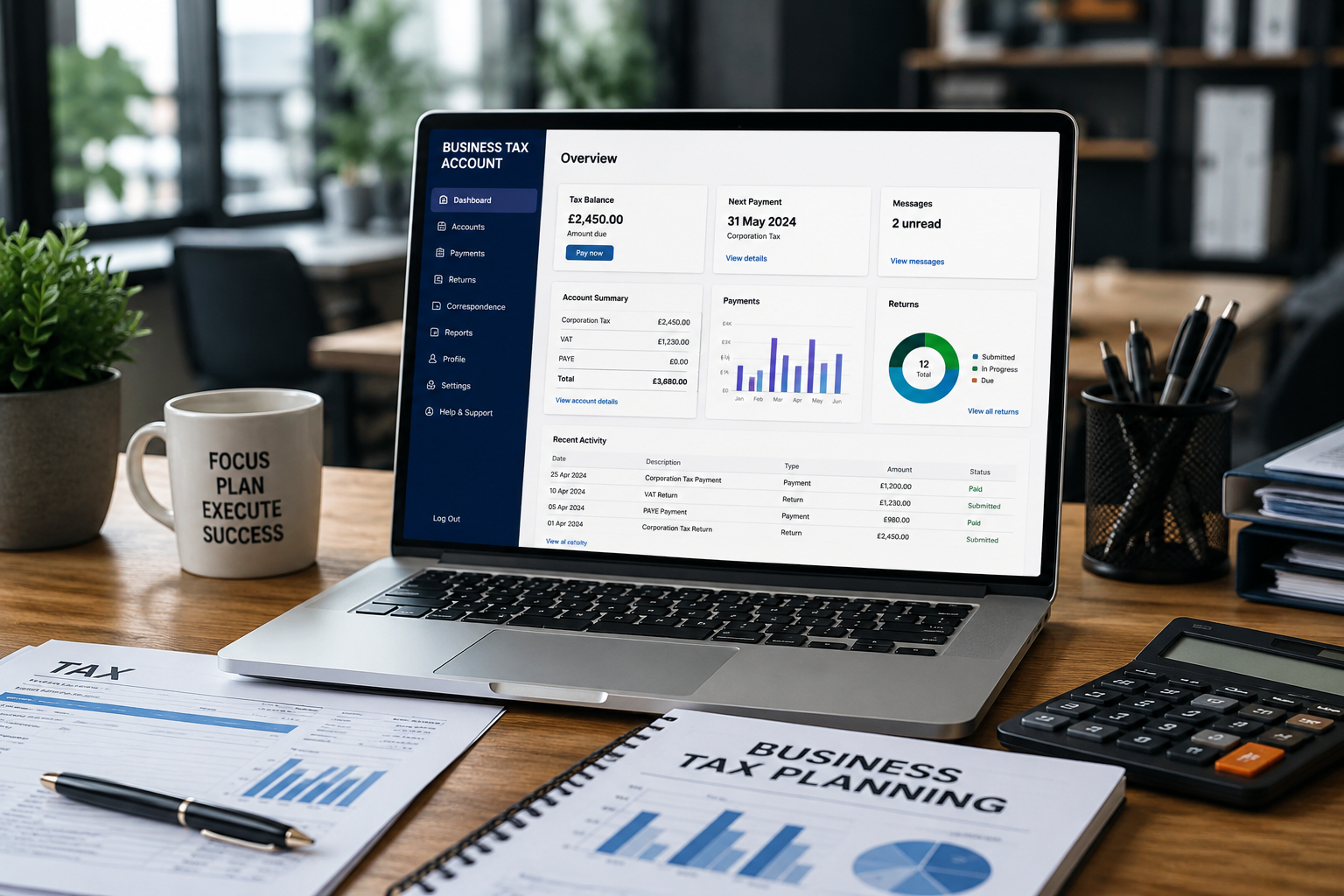
Managing taxes is one of the most important responsibilities for any business owner. Whether you run a small startup, operate as a freelancer, or manage a growing company, understanding how a business tax account works can save you time, money, and stress. Many beginners feel overwhelmed when dealing with taxes because they are unfamiliar with tax systems, online portals, and filing requirements. However, once you understand the basics, managing a business tax account becomes much easier and more organized.
A business tax account is an online system that allows businesses to manage tax-related activities in one secure place. It helps business owners track payments, file tax returns, monitor deadlines, and communicate with tax authorities. Governments around the world are increasingly encouraging businesses to use online tax systems because they improve accuracy, efficiency, and transparency. For beginners, learning how to use a business tax account properly can help avoid penalties, reduce administrative errors, and improve financial management.
This guide explains everything beginners need to know about a business tax account, including how it works, why it matters, and how to manage it effectively for long-term success.
What Is a Business Tax Account?
A business tax account is an online platform provided by tax authorities that allows businesses to handle tax obligations digitally. Instead of relying on paperwork, business owners can access their tax information through a secure online portal. This account usually includes services such as filing tax returns, checking tax liabilities, making payments, updating company details, and reviewing tax records.
For example, in the UK, businesses can use the HMRC Business Tax Account to manage VAT, PAYE, Corporation Tax, and Self Assessment. In other countries, similar systems exist under different names, but the purpose remains the same. The account acts as a centralized dashboard where businesses can manage all tax-related activities in one place.
A business tax account is especially useful because it provides real-time information. Instead of waiting for letters or manually tracking payments, business owners can instantly check balances, due dates, and filing history. This helps reduce confusion and ensures that businesses remain compliant with tax regulations.
For beginners, understanding the role of a business tax account is the first step toward building strong financial habits. It creates a more organized approach to taxation and helps businesses operate professionally.
Why Every Business Needs a Business Tax Account
Every business, regardless of size, can benefit from having a business tax account. One of the biggest reasons is convenience. Traditional tax filing methods involve paperwork, long waiting periods, and higher chances of errors. An online business tax account simplifies these tasks by allowing business owners to manage everything digitally.
Another important advantage is accuracy. Manual tax calculations often lead to mistakes that can result in penalties or audits. Online systems usually include automated calculations and reminders that reduce human error. This helps businesses avoid unnecessary fines and maintain a positive relationship with tax authorities.
A business tax account also improves financial visibility. Business owners can easily review past tax returns, payment history, and outstanding balances. This makes budgeting and financial planning much easier. When tax information is organized properly, businesses can make smarter decisions regarding expenses, investments, and growth strategies.
Security is another major benefit. Modern business tax accounts use secure login systems and encrypted data protection to keep sensitive financial information safe. Compared to paper records, online accounts reduce the risk of lost documents or unauthorized access.
Most importantly, using a business tax account helps businesses stay compliant with changing tax laws. Governments frequently update tax rules and filing requirements. Online tax systems often provide updates, alerts, and guidance to help businesses meet their obligations correctly.
How to Create a Business Tax Account
Setting up a business tax account is usually a simple process, but beginners should prepare the required information before starting. The exact steps may vary depending on the country, but most systems follow a similar process.
First, business owners need to register their business legally. This may involve obtaining a business registration number, tax identification number, or employer identification number. Once the business is officially registered, the owner can create an online tax account through the relevant government website.
The registration process typically requires personal identification details, business information, email verification, and security authentication. Many systems also require mobile phone verification for added security. After creating login credentials, the user can access the dashboard and connect various tax services to the account.
It is important to create strong passwords and enable two-factor authentication whenever possible. Since the account contains sensitive financial data, security should always be a priority.
After setup, business owners should familiarize themselves with the dashboard. Most business tax accounts include sections for filing returns, managing payments, updating business details, and viewing notices from tax authorities. Spending time learning the system can prevent confusion later.
Beginners should also keep backup records of login information and important documents in a secure location. This ensures easy access when needed and reduces the risk of account recovery issues.
Types of Taxes Managed Through a Business Tax Account
A business tax account can handle multiple types of taxes depending on the nature of the business. Understanding these taxes is essential for beginners because each has different filing schedules and obligations.
One common type is income tax or corporation tax. This tax applies to profits earned by businesses. Companies are usually required to report annual earnings and pay taxes based on net profit calculations.
Another important tax is VAT or sales tax. Businesses that sell goods or services above a certain threshold may need to register for VAT. Through the business tax account, owners can file VAT returns, report sales, and pay the required amounts.
Payroll taxes are also commonly managed through the account. Businesses with employees must report wages, deduct taxes, and submit payroll information to tax authorities. Online tax systems make payroll reporting easier and more accurate.
Self-employed individuals and freelancers often use the business tax account for self-assessment tax returns. This allows them to report income, claim expenses, and calculate tax obligations independently.
Some businesses may also deal with import taxes, excise duties, or local business taxes depending on their industry. A business tax account centralizes these obligations and makes them easier to track.
Understanding which taxes apply to your business is essential because missing a filing deadline can result in penalties and interest charges.
Common Features of a Business Tax Account
Most business tax accounts include several useful features designed to simplify tax management. One of the most important features is online filing. Businesses can submit tax returns electronically without mailing physical forms.
Payment management is another key feature. Business owners can make tax payments directly through the account using bank transfers, debit cards, or approved payment systems. This reduces delays and improves payment tracking.
The dashboard often includes reminders and notifications for upcoming deadlines. These alerts help businesses avoid late filings and penalties. Beginners especially benefit from automated reminders because they may not yet be familiar with tax schedules.
Document storage is also useful. Many systems allow users to access previous returns, payment confirmations, and official notices. This makes recordkeeping more organized and accessible.
Some business tax accounts integrate with accounting software. This feature allows businesses to import financial data automatically, reducing manual data entry and improving accuracy.
Customer support and guidance sections are commonly included as well. Beginners can access tutorials, FAQs, and official guidance documents to understand tax requirements better.
Overall, these features help businesses save time, improve efficiency, and maintain compliance more effectively.
Mistakes Beginners Should Avoid
Many beginners make avoidable mistakes when managing their business tax account. One common error is missing filing deadlines. Tax authorities often impose penalties for late submissions, even if no tax is owed. Setting reminders and checking the account regularly can help avoid this problem.
Another mistake is failing to keep accurate financial records. Businesses should maintain detailed records of income, expenses, invoices, and receipts. Without proper records, filing accurate tax returns becomes difficult.
Using incorrect business details is another issue. If business information changes, such as the company address or bank account, it should be updated immediately in the business tax account. Outdated information can lead to missed notices or payment issues.
Some beginners also misunderstand deductible expenses. Claiming personal expenses as business expenses can trigger audits or penalties. It is important to understand which expenses qualify for tax deductions.
Ignoring tax notices is another serious mistake. If the tax authority sends alerts or requests through the account, they should be reviewed promptly. Delaying responses can create larger financial problems later.
Lastly, many new business owners underestimate the importance of cybersecurity. Sharing login details or using weak passwords can expose sensitive information to fraud or unauthorized access.
Avoiding these mistakes helps businesses maintain compliance and reduces unnecessary stress.
How a Business Tax Account Improves Financial Planning
A business tax account does more than help with tax filing. It also plays an important role in financial planning and long-term business management. Since the account provides access to tax liabilities, payment history, and financial records, business owners can better understand their financial situation.
One major advantage is cash flow management. Taxes are a regular expense, and businesses that plan for them properly avoid financial surprises. By reviewing upcoming tax obligations through the account, owners can allocate funds more effectively.
The account also helps identify spending patterns and deductible expenses. This allows businesses to maximize legal tax savings while maintaining proper documentation.
Financial transparency is another benefit. Investors, lenders, and partners often prefer businesses with organized tax records. A well-managed business tax account demonstrates professionalism and financial responsibility.
For growing businesses, accurate tax management supports expansion opportunities. Businesses seeking loans or partnerships may need to provide tax documentation as proof of financial stability.
Additionally, digital tax records make year-end accounting much easier. Instead of searching through paper files, businesses can quickly access reports and payment history online.
Overall, a business tax account supports smarter financial decisions and helps businesses build a stable foundation for growth.
The Role of Accountants and Tax Professionals
Although business tax accounts are designed to simplify tax management, many businesses still benefit from professional guidance. Accountants and tax advisors can help beginners understand complex tax rules and avoid costly mistakes.
One of the biggest advantages of working with a professional is accuracy. Tax experts understand current regulations and can ensure that tax returns are filed correctly. They can also identify deductions and credits that business owners may overlook.
Accountants can help businesses organize records, manage bookkeeping, and prepare financial statements. This reduces stress and saves time for business owners who want to focus on operations and growth.
Many tax professionals can access business tax accounts directly with permission from the owner. This allows them to file returns, communicate with tax authorities, and manage compliance efficiently.
For beginners, consulting an accountant during the first year of business is often a wise investment. Learning proper tax management early can prevent larger problems later.
However, business owners should still understand the basics of their tax account even if they hire professionals. Staying informed helps businesses make better decisions and maintain control over their financial responsibilities.
Future Trends in Business Tax Accounts
Technology is rapidly transforming tax systems around the world. Governments are increasingly moving toward digital taxation, and business tax accounts will continue to evolve in the coming years.
One major trend is automation. Many systems are integrating with accounting software to automatically calculate taxes and submit reports. This reduces manual work and improves accuracy for businesses.
Artificial intelligence is also becoming more common in tax administration. AI-powered systems can detect errors, identify fraud risks, and provide personalized guidance to businesses.
Real-time tax reporting is another emerging trend. Instead of annual filings, some governments are moving toward continuous reporting systems where businesses submit data regularly throughout the year.
Mobile accessibility is also improving. Many business tax accounts now offer mobile apps that allow users to check balances, receive notifications, and manage taxes from smartphones.
Cybersecurity will remain a major focus as digital tax systems expand. Governments and businesses must continue investing in secure systems to protect sensitive financial information.
For beginners, understanding these trends is important because digital tax management will become even more integrated into daily business operations in the future.
Conclusion
A business tax account is an essential tool for modern businesses. It simplifies tax management, improves organization, and helps businesses remain compliant with legal requirements. For beginners, learning how to use a business tax account effectively can reduce stress and support long-term financial success.
From filing tax returns to managing payments and tracking financial records, the account provides valuable tools that save time and improve accuracy. It also supports better financial planning, stronger compliance, and improved business credibility.
While tax systems may seem complicated at first, understanding the basics of a business tax account makes the process much more manageable. By avoiding common mistakes, maintaining accurate records, and using the available features wisely, businesses can create a smoother and more professional approach to taxation.
As technology continues to transform tax systems, business tax accounts will become even more important in the future. Businesses that embrace digital tax management early will be better prepared for changing regulations and evolving financial requirements. For any entrepreneur or beginner business owner, mastering the business tax account is a valuable step toward building a successful and financially responsible business.